Simple midlife tool · No tracking · No macro spreadsheets
The Midlife Protein Calculator for Women 40+
Find a realistic daily protein range that supports midlife hormones, cravings, and metabolism—without eating like a bodybuilder.
If you’re anything like me (and most women I coach), you’ve probably wondered:
“Just tell me how much protein I need — and how to actually eat it.”
That’s exactly what this simple tool does.
No overwhelm. Just a clear number — and practical ways to hit it.
Your Personalized Midlife Protein Calculator
Answer a few quick questions, and I’ll show you the protein amount that supports your hormones, boosts your metabolism, reduces cravings, and sustains your energy in midlife.
Calculate Your Protein Needs
How this Midlife Protein Calculator Works
This tool is based on newer research suggesting that most women 40+ do best somewhere around 1.2–1.6 g of protein per kilo of body weight, with a bit more for very active women. The calculator adjusts your target slightly based on your activity level, goals, and eating style (vegan, keto, Mediterranean, etc.).
Different experts use slightly different formulas, but the big picture is the same: as we age, our protein needs usually go up—especially if we want to protect muscle, metabolism, and energy.
Easy Protein Sources for Your Eating Style
If the number you got seem too high, don’t stress.
You don’t have to hit it perfectly from day one.
Start by:
• adding 10–15g extra protein to one meal
• making one snack more protein-focused
• slowly increasing portions over a few weeks
The closer you get to your ideal number, the easier it will be for you to manage cravings, achieve steadier energy, and keep your muscles strong in midlife.
Want help hitting your new protein number every day?
Grab my How I Got My Waist Back guide — simple protein + fasting tips, easy 30g options, and my go-to shake.
It´s all for FREE!
The 10:1 Protein Ratio (A Simple Midlife Trick)
I love this because it gives us midlife women a quick “protein radar.” You don’t have to track, weigh, or overthink — you just look at the label and ask, “Is the protein at least one-tenth of the calories?” If yes → it’s a great choice. If no → it’s more of a treat, fat, or carb food (even if the marketing says “protein”).
Here’s how it works:
👉 For every 10 calories, you want at least 1 gram of protein.
150 calories → aim for ~15g
200 calories → aim for ~20g
250 calories → aim for ~25g
It’s not a rule you need to follow perfectly… it’s just a quick way to choose protein-rich foods without getting lost in labels or numbers.
Great 10:1 Ratio Examples (Midlife-Friendly)
High-Protein Animal Foods
| Food | Protein (g) | Calories | 10:1 Score | Notes |
|---|---|---|---|---|
| Chicken breast (100g) | 31g | ~165 | ⭐ Excellent | Pure protein, very lean |
| Tuna pouch | 17g | 70–90 | ⭐ Excellent | Extremely lean |
| Egg whites (½ cup) | 13g | ~70 | ⭐ Very good | High volume, low calories |
| Cottage cheese (½ cup) | 14g | ~100 | ⭐ Very good | Filling + easy |
High-Protein Plant Foods
| Food | Protein (g) | Calories | 10:1 Score | Notes |
|---|---|---|---|---|
| Tofu (100g) | 17–20g | ~140 | ⭐ Very good | Versatile, lean |
| Tempeh (100g) | 18g | ~195 | ⭐ Good | Dense + probiotic |
| Seitan (100g) | 21g | ~120 | ⭐ Excellent | Best vegan ratio (not gluten-free) |
| Edamame (1 cup) | 17g | ~190 | ⭐ Good | Filling + fiber |
Dairy & Alternatives
| Food | Protein (g) | Calories | 10:1 Score | Notes |
|---|---|---|---|---|
| Skyr / Greek yogurt (¾ cup) | 16g | ~100 | ⭐ Excellent | High protein, low calorie |
| Unsweetened soy yogurt (1 cup) | 6–9g | 80–110 | ⭐ Good | Watch sugar in flavored versions |
| Whey / vegan protein powder | 20–30g | 100–150 | ⭐ Excellent | Most reliable source |
Foods That SEEM High Protein (But Aren’t)
| Food | Protein (g) | Calories | 10:1 Score | Notes |
|---|---|---|---|---|
| Peanut butter (2 tbsp) | 7g | 180–200 | ⛔ Poor | Mostly fat, not protein |
| Chickpeas (1 cup) | 14g | 269 | ⚠️ Low | Great fiber, not lean protein |
| Black beans (1 cup) | 15g | 225 | ⚠️ Low | More calories than protein |
| Most protein bars | 14–15g | 200–260 | ⚠️ Low | Check the labels — many are full of additives, sugars, and fillers. |
Plant-based proteins are great — you just want to choose the ones that give you more protein per calorie.
That’s where tofu, tempeh, seitan, edamame, lentils, soy yogurt, and vegan protein powders shine. They’re filling, nourishing, and make midlife protein goals much easier.
3 High-Protein Breakfasts to Start Your Day Right
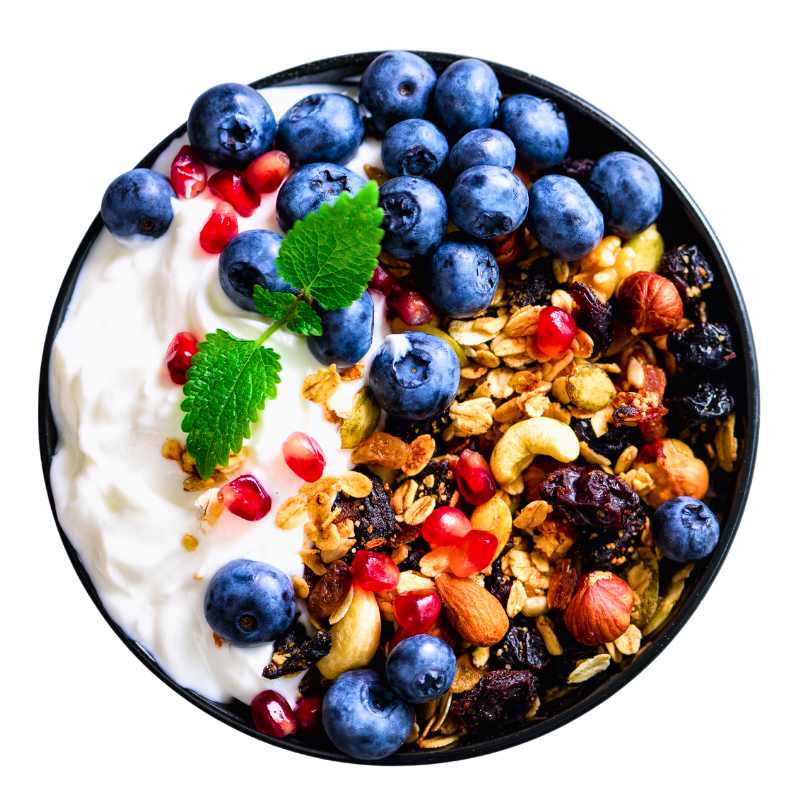
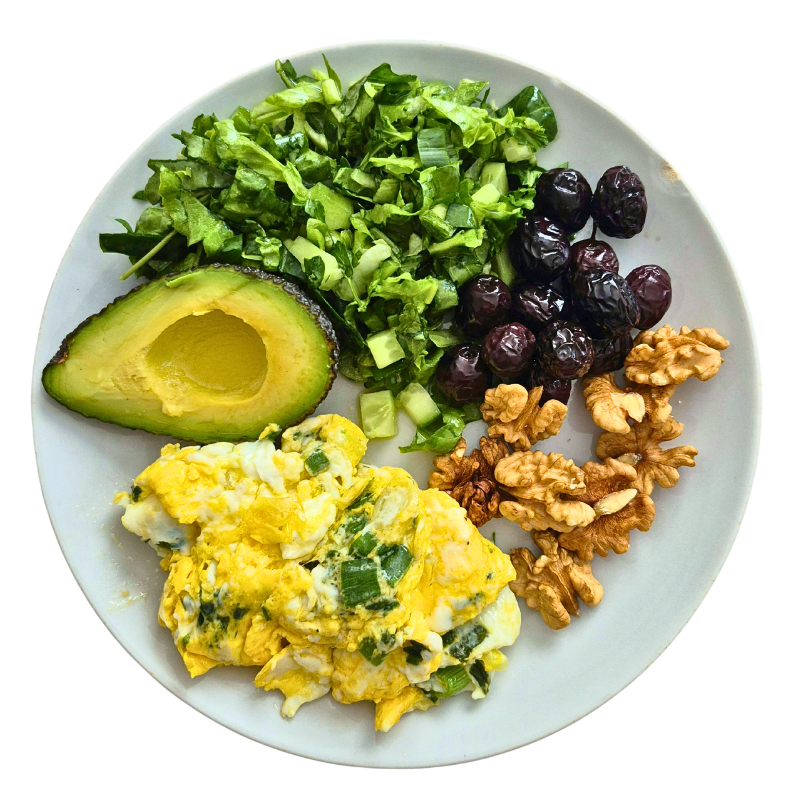
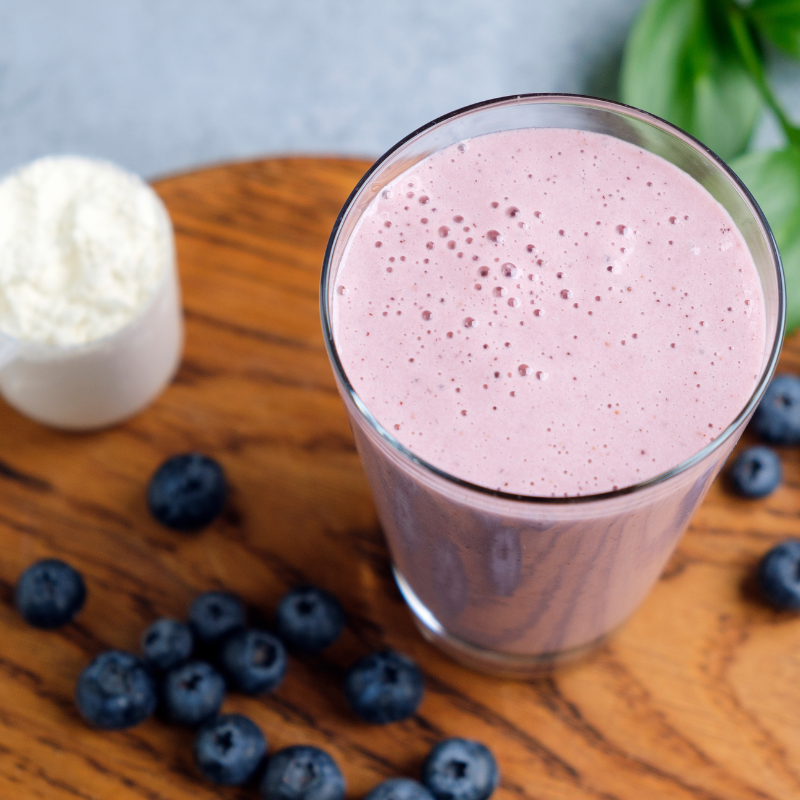
Starting your day with protein is one of the simplest ways to feel steady, full, and in control all day long.
A protein-rich breakfast helps keep cravings down, supports blood sugar, and gives you the kind of steady energy midlife bodies thrive on — without the mid-morning crash.
Choose one of these, enjoy it slowly, and notice how much better the rest of your day feels.
My Go-To Products for Protein, Energy & Ease
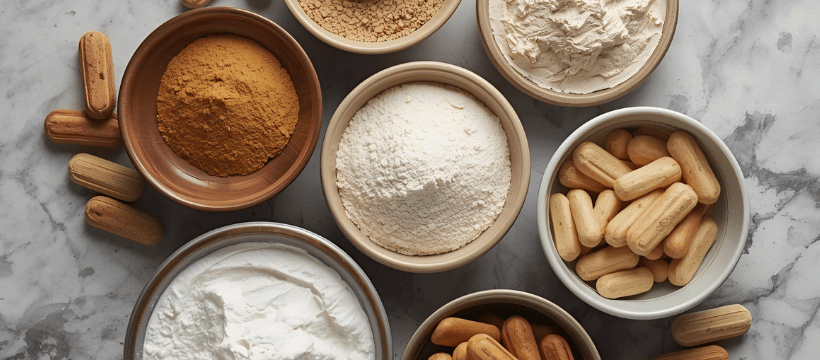
I’m really picky with supplements. In midlife, digestion, hormones, sleep, and energy react differently — and the truth is, so many supplements out there are filled with gums, fillers, artificial sweeteners, and things that don’t support a midlife body at all.
So I only choose brands that stay clean, gentle, and truly well-tested.
Below you’ll find one of the trusted brands I personally buy from and feel good recommending.
Puori — Clean, Well-Tested, and Trusted by Many Health Experts
Puori is one of those companies that goes far beyond the usual “healthy” claims. They focus on:
- real, simple ingredients
- third-party testing and clean certifications
- high-quality sourcing
- no unnecessary fillers or additives
- gentle, easy-to-digest formulas
Many health experts I respect stand by them, and I feel the same — their products are clean, reliable, and they feel good on the stomach, which matters so much in midlife.
A few of my favorites:
– Whey Protein (Pasture-Raised) — gentle on digestion, Clean Label Project “Best in Class”
– Creatine+ — creatine has had a lot of attention lately for strength, energy + brain support
– Magnesium — highly absorbable and great for muscle relaxation
– Omega-3 — super clean, no fishy aftertaste
– Collagen — simple, dissolves well
Vital Proteins — Simple Ingredients, Trusted Quality, Midlife-Friendly
Vital Proteins has been around for years, and they’ve earned their spot for a reason. Their formulas stay focused on what actually matters for women 40+:
- clean, minimal ingredients
- collagen that dissolves well (no clumps!)
- third-party tested for quality + safety
- gentle on digestion
- no weird artificial flavors or fillers
A lot of midlife women (myself included) notice better hair strength, skin elasticity, and fewer aches when collagen is part of their routine — and Vital Proteins makes that really simple.
– Collagen Peptides — unflavored, dissolves easily in hot or cold drinks
– Marine Collagen — great if you prefer a pescatarian source
– Beauty Collagen — fun flavors, easy to mix
– Collagen Creamer — if you want to add protein to your morning coffee
Protein vs. Collagen — What’s the Difference?
This is something many women ask, so let’s clear it up simply:
Protein (like whey, eggs, chicken, tofu, etc.)
→ gives your body all the essential amino acids it needs
→ supports muscle, metabolism, strength, and satiety
→ is key for energy and keeping blood sugar steady
Collagen
→ is not a complete protein
→ mainly supports skin, joints, hair, nails, and connective tissue
→ helps with recovery, aches, elasticity, and overall “feeling smoother” inside
So think of it like this:
- Protein = strength, muscle, metabolism
- Collagen = joints, skin, comfort + recovery
They work beautifully together — but collagen doesn’t replace your daily protein. You still need enough real protein first… and collagen is like a bonus support layer on top.
Other Brands I Trust for Daily Midlife Supplements
I’m incredibly selective with supplements — especially now in my 60s when digestion, sleep, stress, and energy all behave differently. Over the years, two brands have become real “go-to’s” for me because they’re clean, consistent, and they actually support a midlife body instead of overwhelming it.
Thorne — My Reliable, Everyday Brand
I’ve tried so many supplement brands over the years, and Thorne is one I keep returning to. Their formulas are clean, gentle, and very well-tested — and honestly, I use a whole collection of their products in my routine.
One of my absolute favourites is Basic Nutrients 2/Day. It’s a simple, foundational multivitamin, but it’s also made with something really important for midlife women: methylated B vitamins.
Why this matters (and why so many women feel better on methylated Bs)
Around 50% of people have a genetic methylation defect — it’s more common than most think.
I first learned about this from Ben Lynch’s book Dirty Genes, and it made so much sense.
Here’s the simple version:
- Your body needs to “methylate” B vitamins before it can use them
- If you have a genetic variant (many of us do), your body struggles with that step
- When your multivitamin already contains the methylated form, your body absorbs and uses it much more easily
- That can mean better energy, mood, detox support, and fewer crashes
I haven’t taken any genetic tests, but I feel noticeably better on Thorne’s methylated B vitamins — steadier energy, clearer focus, and no weird buzzing or irritability that some regular B-complexes can give.
A quick note on homocysteine (another midlife marker worth knowing)
Homocysteine is an amino-acid byproduct in the blood.
We want it low, because:
- high homocysteine can increase inflammation
- it’s linked with brain fog, mood issues, and cardiovascular stress
- many midlife experts use it as a simple “aging and inflammation marker”
And the interesting part?
➡️ Methylated B vitamins (especially B6, B12, and folate) are often suggested to help keep homocysteine in a healthy range — because they support that same methylation pathway your body relies on.
This is one of the reasons I trust Thorne for my daily basics. Their formulas are thoughtful, high-quality, and they work with your biology, not against it.
BiOptimizers — Especially Their Magnesium
BiOptimizers makes some truly well-formulated supplements, but the one I always recommend is their Magnesium Breakthrough.
It’s one of the most complete magnesium blends out there — great for sleep, stress, muscle tension, and midlife nervous-system calm. It’s also much easier on the stomach than standard magnesium.
Simple Tools to Support Your Midlife Metabolism
Your metabolism shifts in midlife, but the way you support it doesn’t have to be complicated. These are the simple tools, rhythms, and guides I created to help you feel lighter, steadier, and more energized — without overwhelm or extreme routines. Choose the one that meets you where you are today, whether you want easier protein habits, a gentle reset, or a full step-by-step plan.
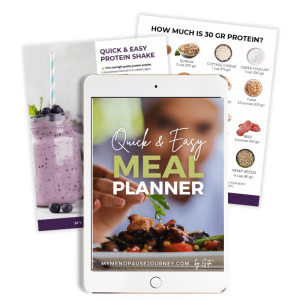
Meal Planner
(with shake + 30g cheat sheet)
A gentle, do-able way to eat in midlife — without counting, stressing, or overeating. This planner shows you how I build my meals, hit my protein number, and stay light with simple fasting rhythms. It includes my go-to shake recipe and a 30g cheat sheet so you always know what to reach for.
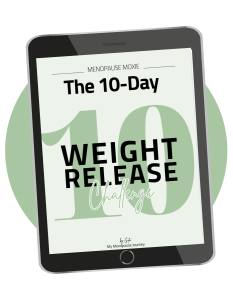
10-Day Weight Release Challenge
A calm reset for women who feel bloated, puffy, or stuck. These 10 days give you small daily actions that support digestion, reduce inflammation, balance your rhythm, and help your body let go — without restriction or burnout. Perfect when you want a fresh start that actually feels good.
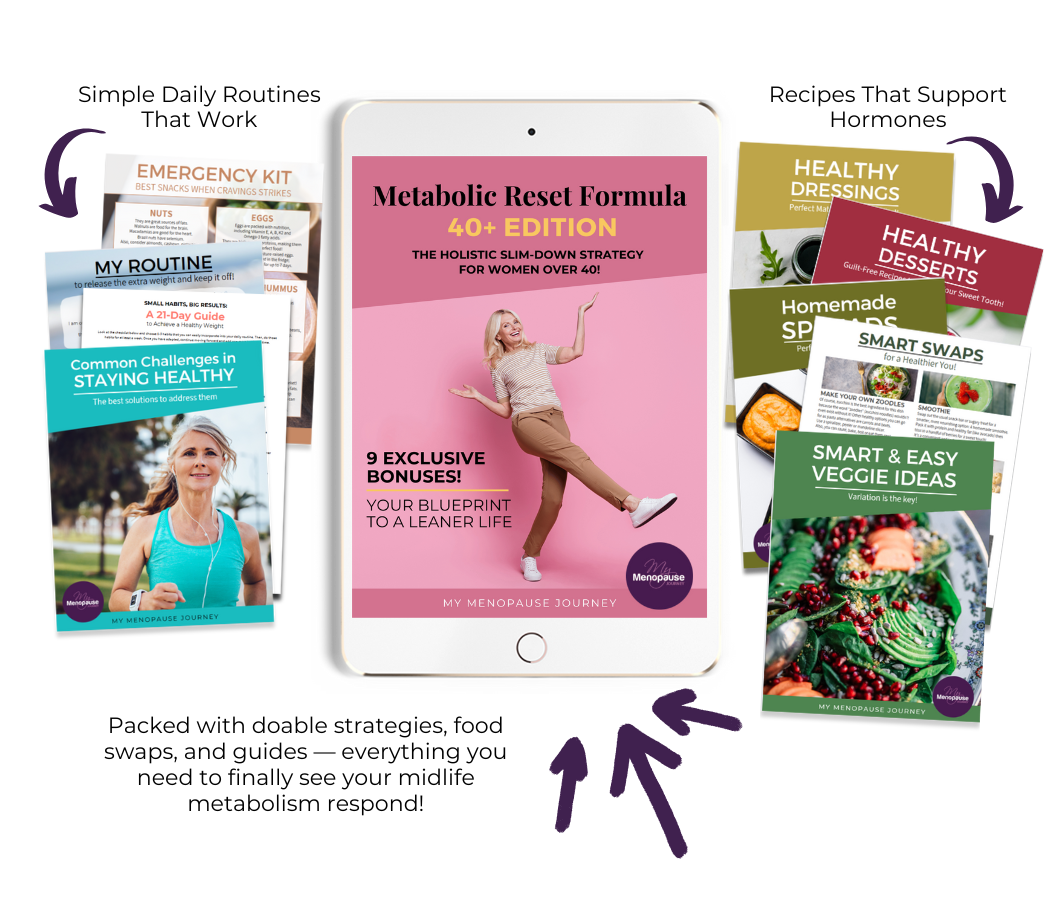
Metabolic Reset
Eat Smarter, Stress Less, Feel Lighter — a midlife metabolism reset that finally works!
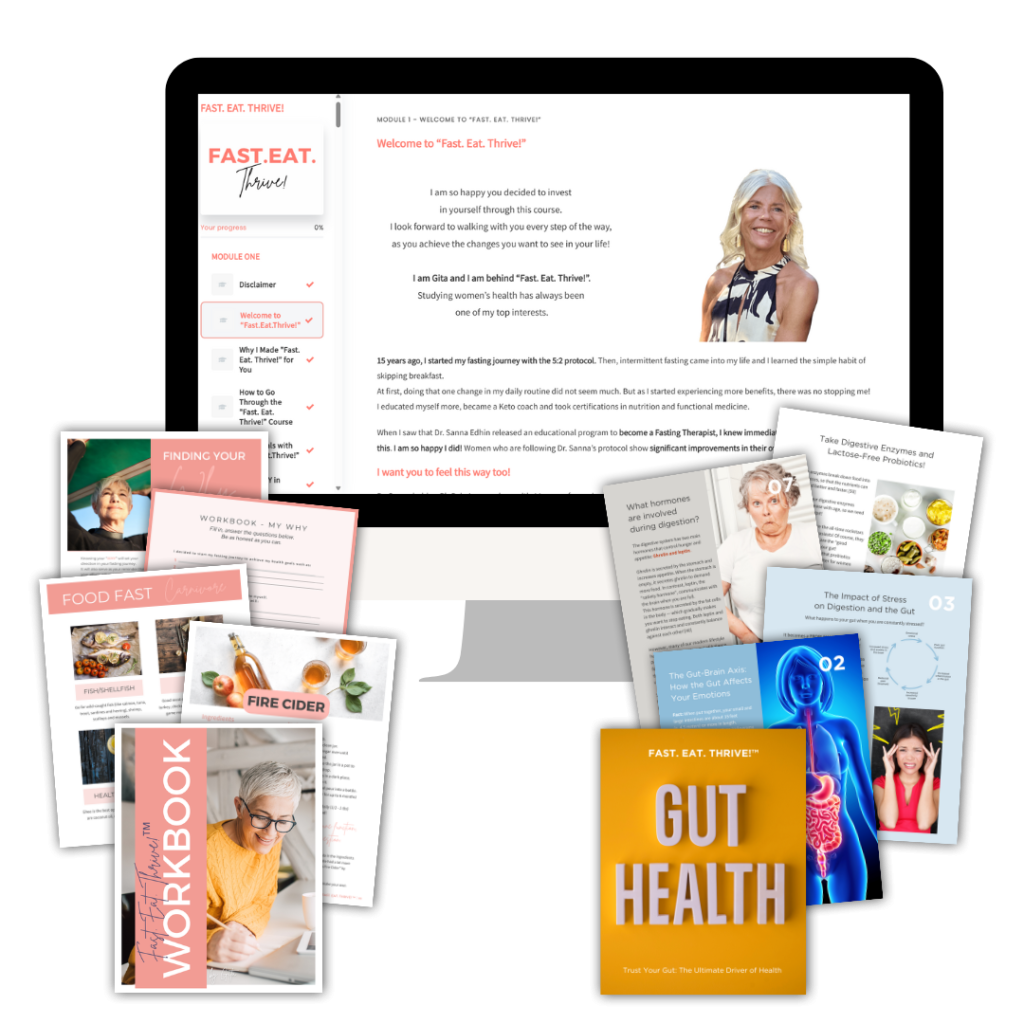
FAST.EAT.THRIVE! Course
A deeper, structured journey into midlife wellness. This self-paced course walks you through nourishing, fasting, movement, and emotional rhythm — all in a way that feels supportive, not overwhelming. It’s the full “Gita system” for feeling better in your body and building habits that last.
Why Protein Matters More After 40
As hormones shift in midlife, your body becomes more sensitive to blood sugar swings, muscle loss, inflammation, and that “soft around the middle” feeling.
Protein isn’t about dieting — it’s about supporting your metabolism, energy, and daily rhythm in a way that feels calm and sustainable.
How Much Protein Do Women Over 40 Really Need?
Most women I talk to feel confused: “Is it 60 grams? 100 grams? Per day? Per meal?”
The truth is: your protein needs go up in midlife, not down.
The right amount helps you feel steady, satisfied, and more energized — without overeating or restricting.
My Midlife Protein Story

I’m Gita, a certified nutrition coach and fasting therapist. I share practical, real-life tools that help midlife women feel steadier, stronger, and more supported — without overwhelm.
You can read more about me and my work here →
For most of my life, I had no idea how protein, fiber, fats, or carbs actually worked in my body. I simply ate whatever I felt like and whatever I “thought” was healthy.
After workouts, I’d reach for carbs because they satisfied my cravings, and I believed, “Well, I moved today — I can eat more.”
And yes — I had that little muffin top.
My solution back then?
“Just run more. Cut back a bit. Try harder.”
No one ever told me about protein.
Fast-forward many years, and after becoming a nutrition coach, fasting therapist, keto coach, and spending more than a decade learning everything I could about midlife health… things finally clicked.
Today I’m 63 — and it was only recently that I began increasing my protein even more.
And WOW… everything changed.
- My cravings became quieter.
- I felt fuller without overeating.
- My energy stayed steady all day.
- My belly felt lighter.
- My workouts finally “worked.”
- My mood became more grounded.
And when I paired more protein with strength training, the difference was incredible.
Not just in my body, but in how I felt — confident, stable, capable.
Most women think protein is “just for muscle,” but that’s only one piece (and no, not 60% — closer to 30–40%).
Your body also needs protein for:
- hormones
- blood sugar balance
- enzymes
- immune support
- neurotransmitters (your mood!)
- satiety and appetite control
- hair, skin, and tissue repair
Protein is not just a “gym thing.”
It is a midlife metabolism thing.
A mood thing.
A craving-control thing.
A feeling like yourself again thing.
And here’s an important myth I want to clear up…
Will protein turn into fat if I eat too much?
Women ask this ALL the time — so let’s address it simply.
Researchers actually tested this.
They took adults into a metabolic ward (basically a lab where every bite is measured), overfed them by 40% more calories, and compared low-, medium-, and high-protein diets.
Here’s the surprising part:
👉 All groups gained fat (because 40% extra calories = fat gain).
BUT…
👉 Only the low-protein group LOST muscle.
👉 The higher-protein groups GAINED muscle — even while overeating.
👉 No one stored protein as fat.
Protein is not easily converted to fat.
It’s metabolically expensive, hard to break down, and your body prefers to use it for repair, hormones, enzymes, and muscle — NOT storage.
This is why in midlife:
- more protein helps you lose fat
- more protein protects your muscle
- more protein helps you stay full
- more protein makes your metabolism more efficient
- more protein reduces cravings
- more protein helps balance your blood sugar
And THIS is why your protein number matters so much.
Don’t Forget Fiber — Your Other Midlife Metabolism Powerhouse
Protein gets all the attention, but fiber quietly does just as much for your midlife metabolism. The kind that comes from leafy greens and colorful veggies creates a gentle gel-like layer in your gut. That layer slows glucose absorption, steadies your energy, calms inflammation, and keeps cravings from taking over.
Fiber and protein truly work best together — fiber sets the stage, and protein carries the meal. When you pair them, you support smoother digestion, steadier hormones, and a more balanced metabolism.
I wish someone had told me this in my 40s.
It would have saved me years of confusion, frustration, and “try harder” diets.
That’s why I created this calculator and everything you see on this page — to make midlife health simple, not stressful.
Frequently Asked Questions About Protein
Do women over 40 really need more protein?
Yes. Hormonal changes affect how your body uses protein, and increasing it supports metabolism, muscle, and energy.
Will protein make me bulky?
No — it actually helps prevent midlife weight gain and keeps your muscles from slipping.
Is a high-protein breakfast important?
It’s one of the easiest ways to feel more satisfied, steady your blood sugar, and avoid afternoon cravings.
Do I need protein powder?
Not mandatory — but it makes busy days easier. It’s a tool, not a rule.
Can I get enough protein as a light eater?
Absolutely. Smaller meals with higher-protein choices + smart snacks + shakes make it simple.